“How many automatics should I take?” is the question we get most from new trade accounts. There’s no single right answer, but the stock list itself gives a good starting point, because each brand’s range already reflects what its customers buy.
The short version
- Quartz sells on price, looks and convenience. It’s accurate, cheap to run (a battery every couple of years) and makes up most of the volume in every fashion brand and most of Tissot.
- Automatic sells on the story: no battery, a movement you can see or hear, and a better chance of holding its value. It carries a higher ticket and usually a better margin per piece.
Most retailers do best with mostly quartz and a few well-chosen automatics.
How the mix looks brand by brand
From our current stock lists:
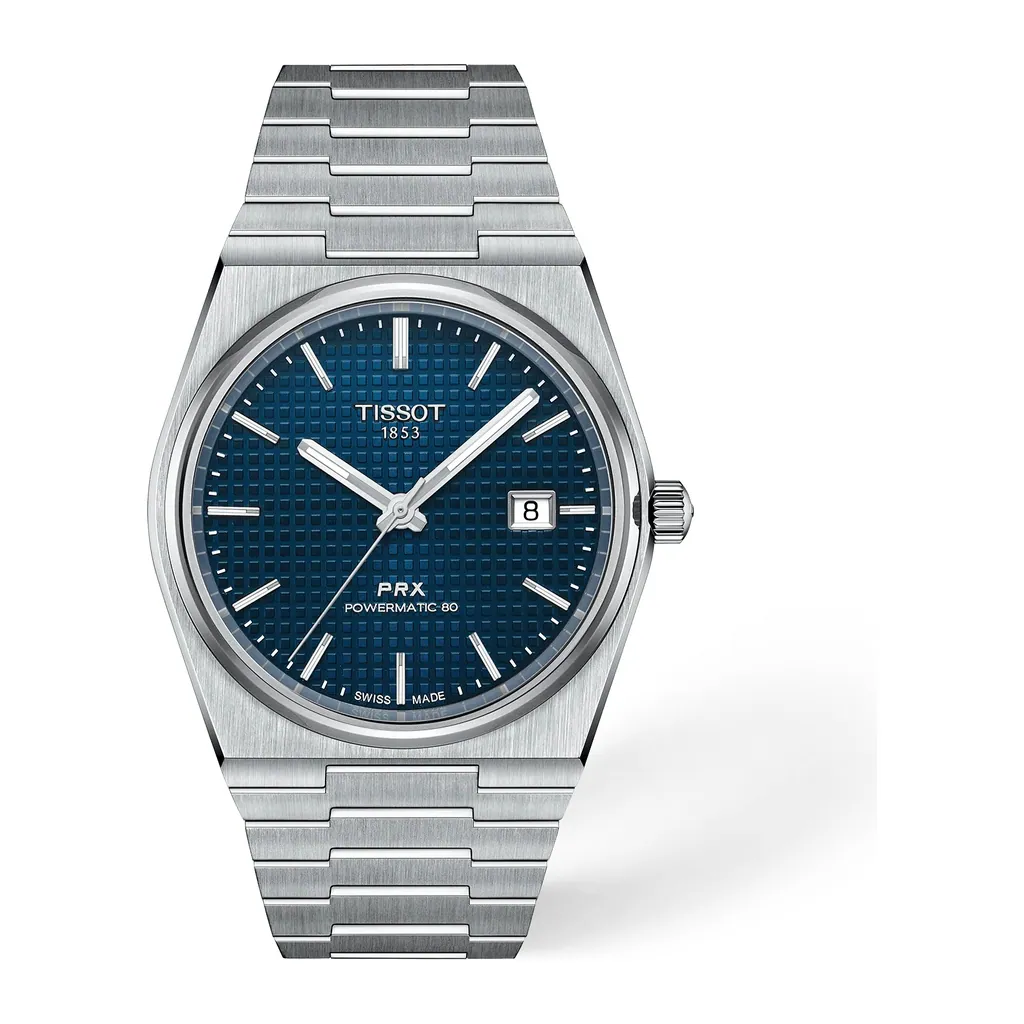
Tissot: roughly seven in ten references are quartz, and the rest are mostly Powermatic 80 automatics. The quartz side (PR 100, Carson, Classic Dream, the Chrono XL and PRC 200 chronographs) does the volume. The automatics (PRX, Seastar, Gentleman and Le Locle) do the talking. See our Powermatic 80 guide for which ones to pick.
Gucci: mostly Swiss quartz. The automatics are concentrated in the 40mm G-Timeless and Dive lines. With Gucci, the dial (bee, kingsnake, tiger) sells the watch more than the movement does.
Emporio Armani: mostly quartz, but with more than a hundred automatics, from the open-heart Meccanico to the AR60xxx three-hands. That’s unusual for a fashion brand, and it lets you sell a mechanical watch at a fashion-brand price.
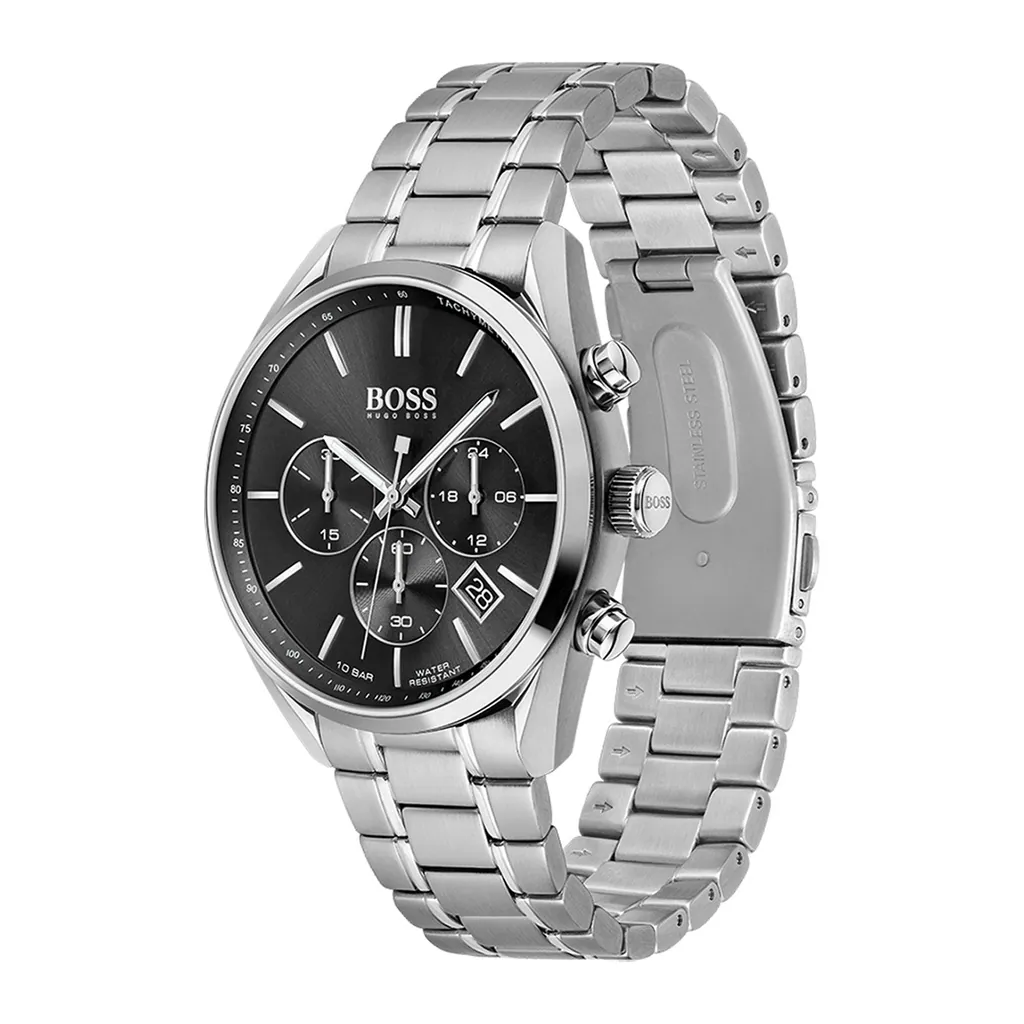
BOSS: almost entirely quartz, mostly chronographs. The Troper Automatic is the exception. Treat BOSS as a quartz brand and stock it for looks and size.
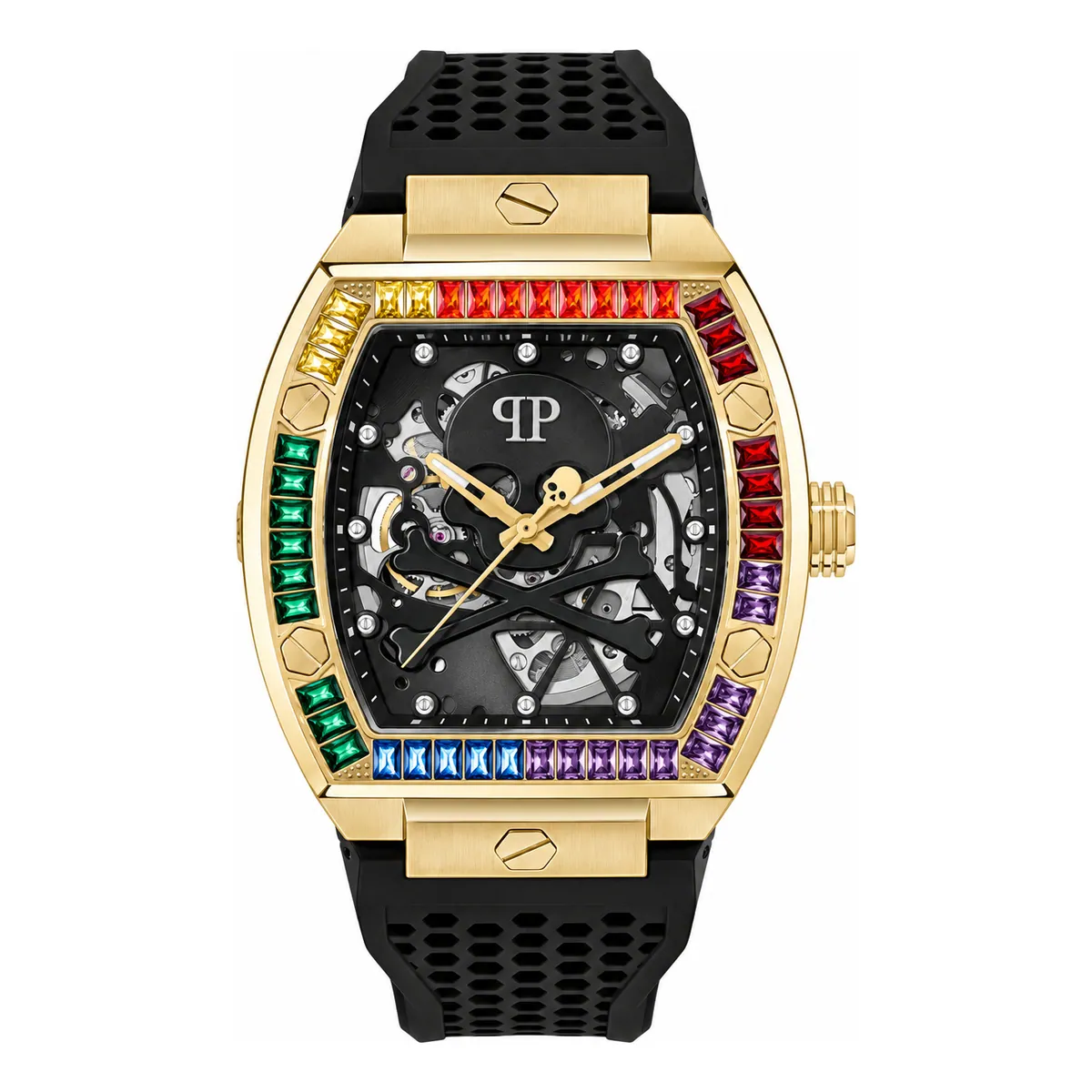
Philipp Plein: close to an even split. The quartz pieces ($kull, Hexagon Phantom, Octagon) keep the price accessible, and the skeleton automatics (High-Conic, Tonneau, Skeleton Royal) are the showpieces.
Who buys which
Quartz buyers usually decide on dial colour, size and brand. They want to put it on and go. Gift buyers fall in this group almost every time. They rarely ask what’s inside, but they do ask “will it stop?” A quartz watch only needs a battery every couple of years, which is the easiest answer you can give.
Automatic buyers often ask about the movement before they ask about the price. They like seeing the balance through an exhibition caseback or an open-heart dial. For them, a Tissot Powermatic 80’s 80-hour power reserve or an Armani Meccanico’s open heart is the reason to buy.
A sensible split for a first order
For a mixed first order of around fifteen to twenty pieces:
- Twelve to fifteen quartz across your price points: a few men’s chronographs (Tissot Chrono XL, BOSS Champion or Admiral, Armani Renato), some three-hands, and the ladies’ references that suit your customers.
- Three to five automatics: two or three Tissot PRX or Seastar Powermatic 80 pieces, plus one or two cheaper mechanical options such as an Armani Meccanico, so the customer who wants “no battery” has something at every price.
Then reorder on what sells. That’s the advantage of having no minimum order: you don’t have to guess the mix perfectly the first time.
Practical notes
- Automatics in the window stop. A Powermatic 80 runs for days, but most automatics stop within two days off the wrist. A cheap watch winder for display pieces avoids customers seeing a stopped watch.
- Quartz in storage. Quartz stock ships running. Batteries last long enough that shelf time isn’t a concern for normal turnover.
- Explain service simply. Quartz: a battery change. Automatic: an occasional service every few years. Tissot has the widest service network of the brands on our list.
Every listing on the stock list shows the movement type, so you can filter by quartz or automatic before you build the order. Trade prices appear once you register.